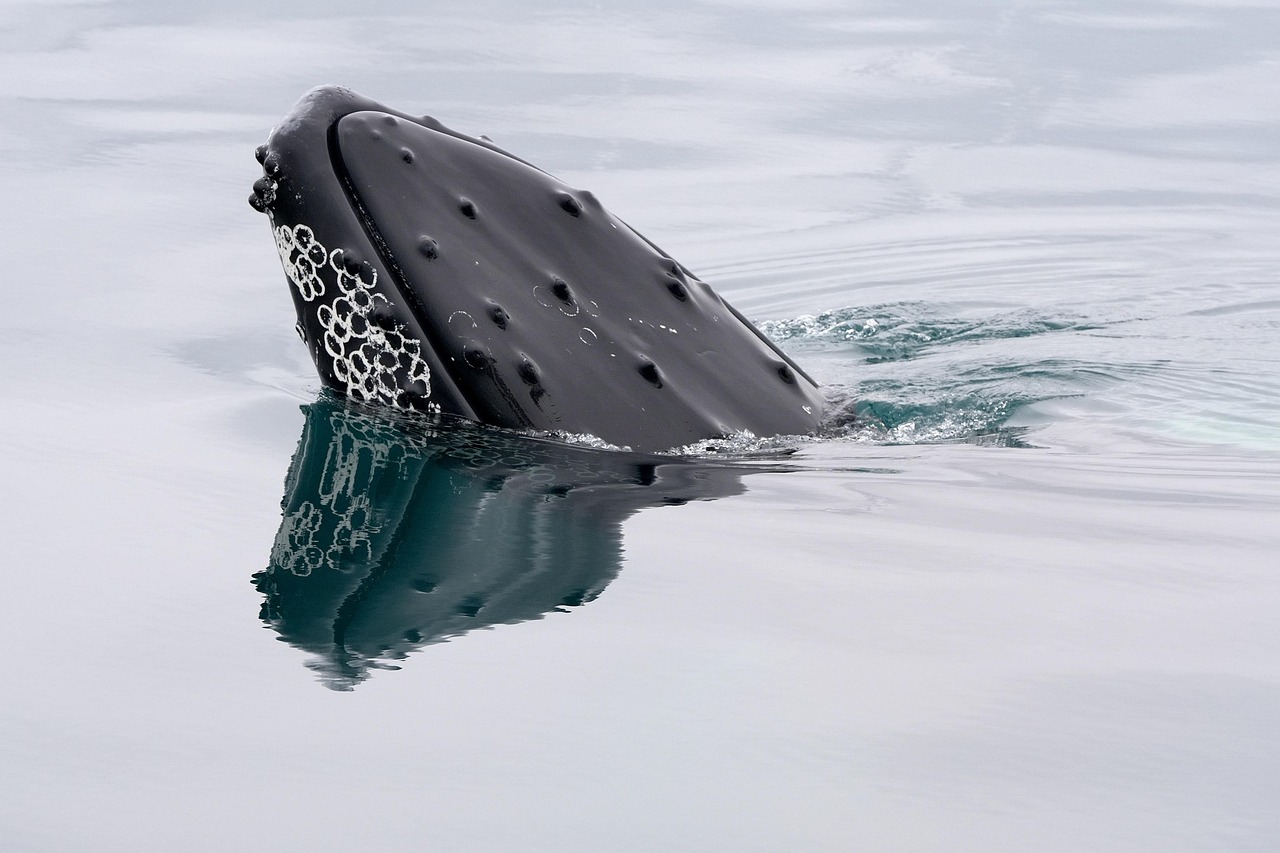
Monterey Bay Whale Watching
The canyon makes it the continent's surest whale water
⏱ 3-4 hours👤 All ages$$$
Get Tickets
Get Whale Watching Tickets
Skip the line · mobile tickets accepted at the door
Most whale-watching ports promise a species and a season; Monterey promises whales, full stop, 365 days a year — and delivers at rates that make marine biologists keep their careers here. The mechanism sits just under the surface: the submarine canyon's two-mile plunge starts inside the bay, driving cold upwelling that blooms into krill and anchovy biomass dense enough to backstop a food web from sea otters to blue whales. Where other ports steam hours to the feeding grounds, Monterey boats are often among spouts within thirty minutes.
The calendar reads like a rotation, not a season. Humpbacks own late spring through fall — the acrobats, breaching and group lunge-feeding through bait balls, often boat-adjacent (the famous viral videos are mostly shot here). Gray whales stream past mid-December through April on their Baja round-trip, mothers and calves hugging the coast northbound in spring — which is also when Monterey's orcas stage the hunts that made the bay a Blue Planet set. Blue and fin whales arrive with summer krill — the blue's visible spout and endless back remain the sea's most humbling sight — and the supporting cast runs year-round: Risso's and bottlenose dolphins, thousand-strong common dolphin superpods, sea lions, otters in the kelp on the way out, and black-footed albatross over the canyon.
The operators are a strength: Monterey Bay Whale Watch (marine-biologist-led, the research-grade choice), Princess Monterey's larger vessels from the wharf, and Moss Landing's smaller boats closest to the canyon head. Trips run about three to four hours, mornings typically calmer, afternoons occasionally sportier. The non-negotiables: layers-on-layers (the bay manufactures wind chill in August), motion-sickness strategy taken before the dock not after the swell, and camera straps. Winter trips need weather flexibility; summer weekends need booking days ahead. There is no bad season — only different headliners.
What to Expect
Format
A 3-4 hour naturalist-led cruise over the submarine canyon — humpbacks (spring-fall), gray whales (Dec-Apr), blues (summer), orca events, and dolphin superpods, sailing year-round from the wharf and Moss Landing.
Best Time
There isn't a bad month — pick your headliner: humpback acrobatics May-October, gray parade and orca season in spring, blue whales mid-summer. Morning sailings run calmest.
Duration
Three to four hours on the water; budget the half day with boarding.
Tips
Dress for winter at sea whatever the shore says — the bay makes its own wind. Take seasickness measures before boarding, not after. Book biologist-led boats for the narration that turns spouts into stories. Summer weekends sell out days ahead.
⚡ Quick Picks
Best For
Anyone who wants guaranteed-grade wildlife — this is the continent's most reliable whale water.
Families
Kids 6+ with sea legs love it; pick morning trips and the bigger, steadier vessels.
Couples
A gray-whale winter morning, then chowder on the wharf — Monterey's original date.
Pair With
Old Fisherman's Wharf at the dock, or the aquarium to decode everything you just saw.
Time Needed
A half day.
Ready to book Whale Watching?
Get Tickets →Frequently Asked Questions
What will we actually see?
By season: humpbacks late spring-fall (the lunge-feeding acrobats), gray whales December-April, blue and fin whales in summer, orcas most famously in spring, plus dolphins, sea lions, and otters nearly always. Sightings run near-certain year-round; many boats offer return passes on rare blank days.
Why is Monterey so good for whales?
The submarine canyon — two miles deep, starting just offshore — concentrates the food chain within a short cruise of the dock. Boats here reach in 30 minutes what other ports steam hours for.
Will I get seasick?
The bay can roll — take remedies before boarding, ride the lower center deck, watch the horizon, and favor calmer morning sailings. Larger vessels run steadier.
What should we wear?
Winter-at-sea layers in any month — windproof shell, warm mid-layer, hat. August on the water feels nothing like August in the parking lot.
Where do trips leave from?
Old Fisherman's Wharf in Monterey (most choice) and Moss Landing at the canyon's head (shortest run to deep water), daily year-round, weather permitting.
More Monterey Attractions
Browse all →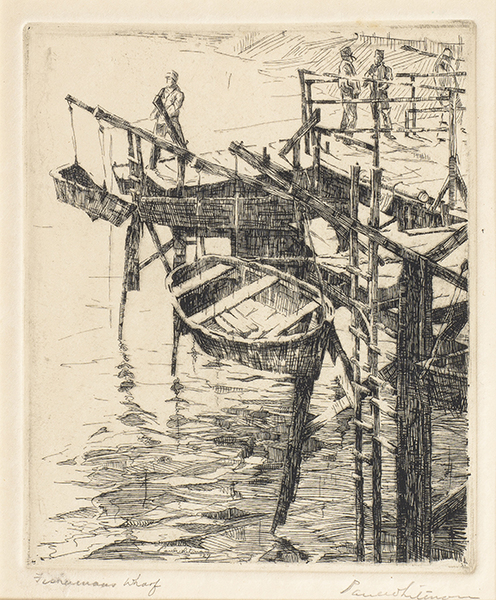
Old Fisherman's Wharf
Monterey's chowder-and-sea-lions pier — free samples at every restaurant door, whale boats and sails departing alongside, candy and salt-water taffy, and the harbor's resident sea lions providing the soundtrack.
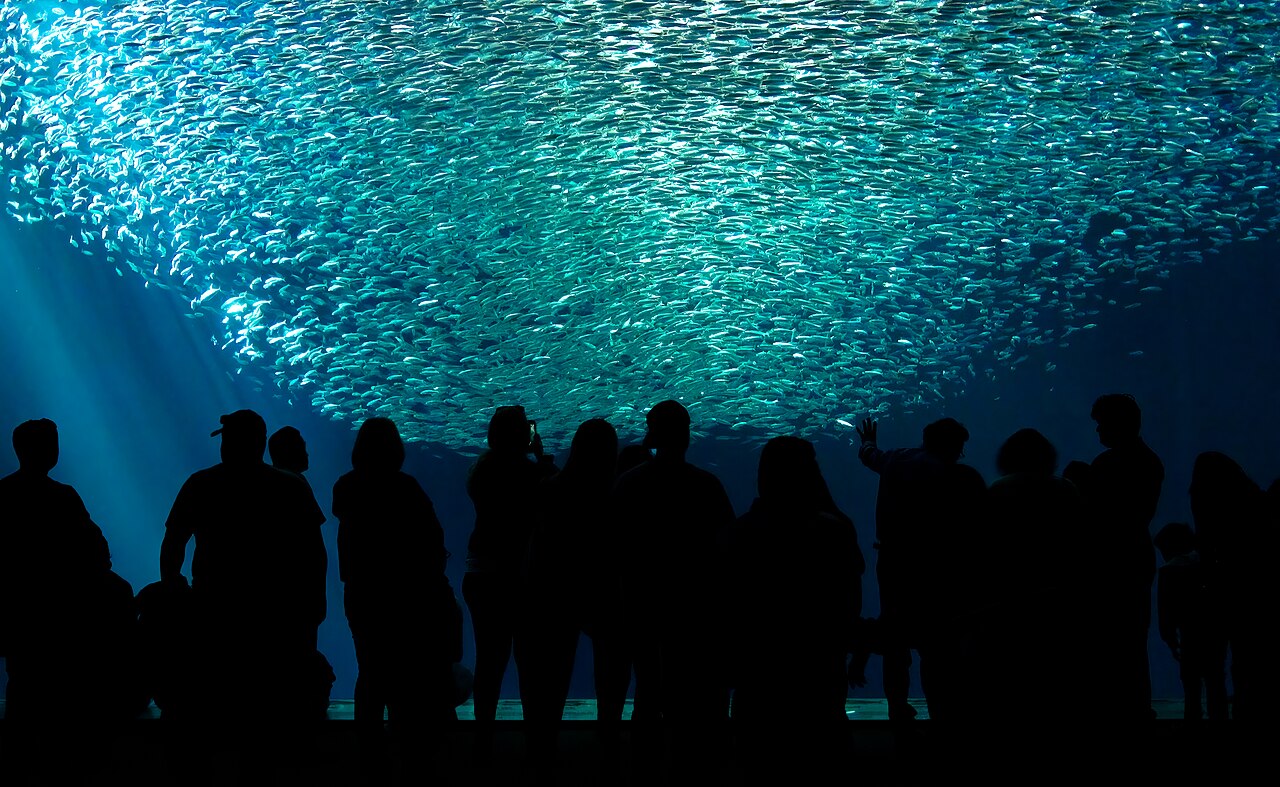
Monterey Bay Aquarium
The best aquarium in America, arguably the world — a three-story kelp forest breathing with the tide, sea otters at play, the Open Sea's tuna and sunfish gliding through blue, all in a converted cannery hanging over the bay itself.
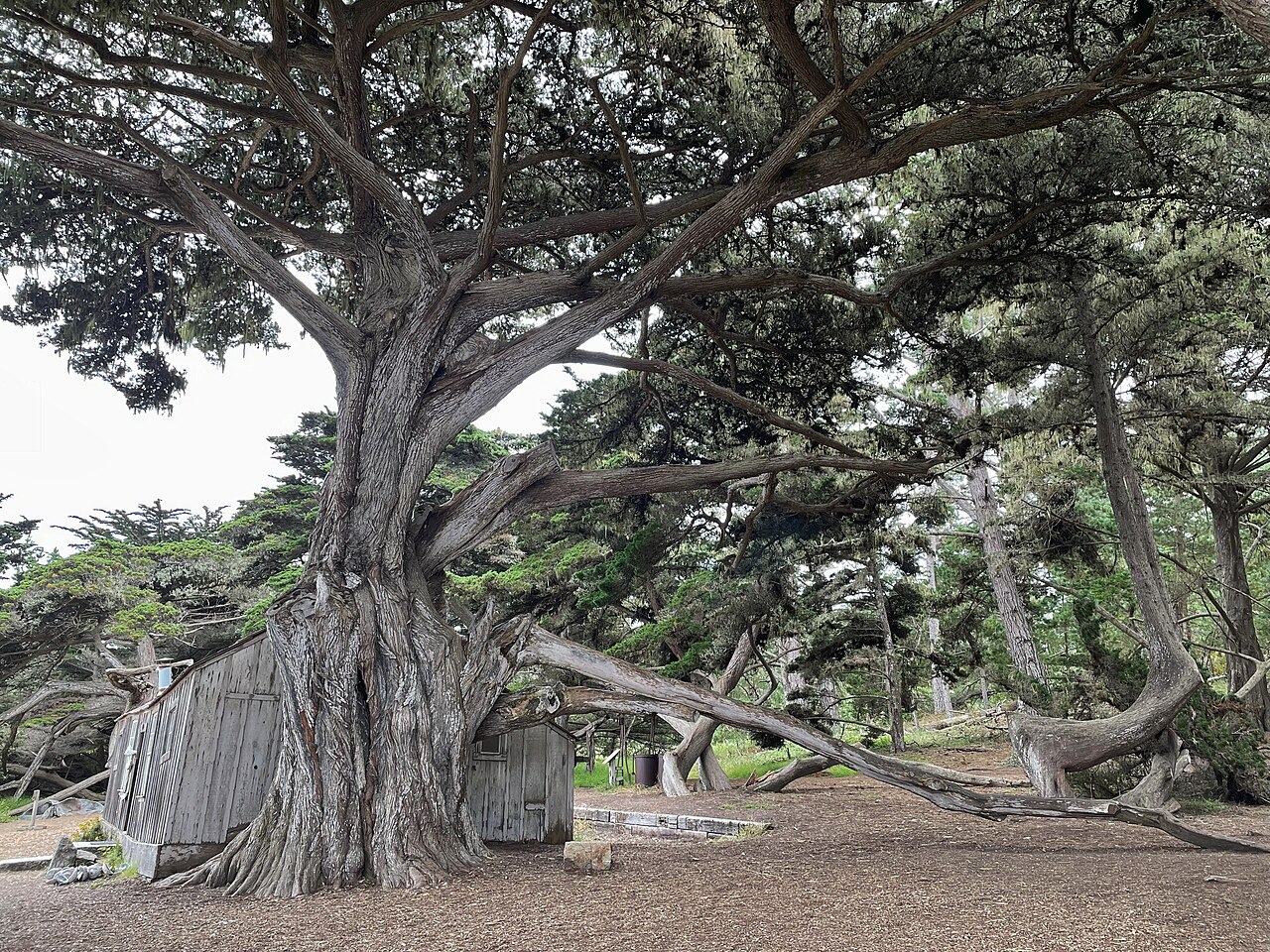
Point Lobos State Natural Reserve
"The greatest meeting of land and water in the world" — painters' coves of jade water and wind-carved cypress just south of Carmel, with sea lions on the rocks, otters in the kelp, and trails that fit any legs.